The Fortune Is in the Follow-Up: A Roofer's Guide to Stopping $100K in Ghost Estimates
Written by
Sami Raby
Quick Executive Summary
Most roofers lose 20% of quoted jobs to silence, not price competition.
A 5-touch, 14-day automated follow-up sequence recovers the majority of ghost estimates.
Roofers quoting 10 jobs/week can recover $34,000/month with proper follow-up.
The system writes and sends every follow-up automatically. You don't touch a thing.
Short answer: Most roofers lose about 20% of quoted jobs not to a cheaper competitor, but to silence. The homeowner doesn't say no. They just stop replying. The fix isn't selling harder. It's a sequence of automated texts and emails that goes out after every estimate — so the quote never goes cold in the first place.
I'm Sami. I co-founded Service Foxx with Kylee Robinson, whose husband Dwayne owns a roofing and exteriors company in Pennsylvania. Before we ever sold this to another contractor, we built it for him. And the single biggest revenue leak we plugged wasn't missed calls. It was ghost estimates.
This post breaks down exactly what that system does, why it works, and what it's worth to a roofing company in real dollars.
What is a ghost estimate?
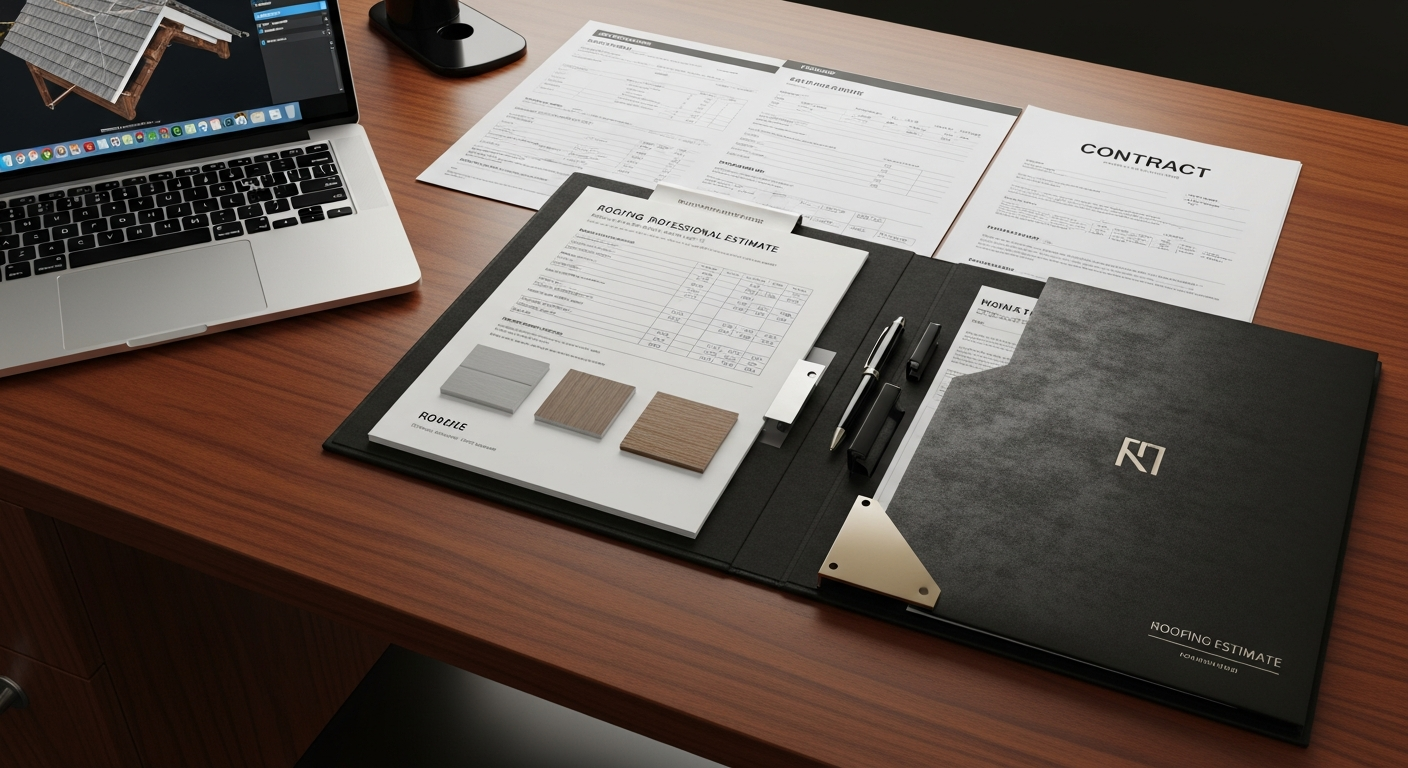
A ghost estimate is a quote you sent that never got a yes, a no, or a callback. Nothing. You walked the roof, measured the ridge line, built the proposal, sent it over — and then it went into a black hole.
Most roofers assume the homeowner went with a cheaper bid. In reality, most of them got distracted. Life happened. Insurance adjuster didn't call back. Spouse needed to see it. A storm hit somewhere else. The estimate sat in their inbox under eight other emails.
By week two, they can't even remember your company name.
The math on why this matters
Here's the benchmark we use, and it's conservative:
- Average roofing job value: $8,500 (conservative — many exteriors jobs run $12K–$25K)
- Estimates that go quiet after first send: roughly 40–60% of everything you quote
- Recoverable jobs with proper follow-up: about 20% of those ghosts
If you're quoting 10 jobs a week, that's roughly 40 estimates a month. Say 20 of them go quiet. A follow-up system recovering 20% of those is 4 extra jobs a month. At $8,500 average, that's $34,000 a month — or over $400,000 a year you were leaving on the table.
That's not a marketing problem. That's not a pricing problem. That's a follow-up problem.
Why roofers don't follow up (and why it's not your fault)
You didn't get into roofing to send email campaigns. You got into it to do the work. When you're wrapping up a tear-off at 4 PM and driving to the next property, you are not thinking about the Henderson estimate from Tuesday.
So the Henderson estimate sits.
This is a systems problem. Systems problems are fixable.
What a real roofing follow-up sequence looks like
Here's what we build inside every Service Foxx account the moment an estimate gets sent. This runs on the same automation infrastructure used by national home service brands — we just configure it specifically for your trade.
Day 0 (1 hour after estimate sent):
Text from the owner: "Hey [First Name], Dwayne here — just sent over your estimate for the [property address] roof. Any questions before you sit down with it? Happy to walk through anything." Personal. Short. Not a pitch.
Day 2:
Email with three things: what's included in the estimate (itemized), what the install timeline looks like, and a one-line close asking if they want to hold a date.
Day 5:
Text: "Wanted to check in on the quote — still thinking it over or did another company come in stronger? Either way I'd like to know."
That last one is the magic line. It gives them permission to say no, which ironically gets more yeses. It also surfaces the real objection — which is usually not price.
Day 9:
Email with a photo from a recent job similar to theirs, plus a 2-line review from that customer. Proof, not pressure.
Day 14:
Final text: "Last check-in before I close out your file. Want me to hold the slot or should I let it go?" Creates a soft deadline without being pushy.
Day 30:
Move to long-term nurture. Monthly value email. Not selling. Just staying visible.
Every step is stage-triggered in the CRM. The moment someone replies, the sequence pauses. If they book, it stops entirely. If the job signs, it kicks off the next pipeline.
Why this beats "I'll remember to follow up"
You won't. Not because you're bad at your job — because you have 14 other jobs. The contractors who beat you on the bid aren't better salespeople. They have something you don't: an assistant (digital or human) who follows up on every single quote, every single time, without forgetting.
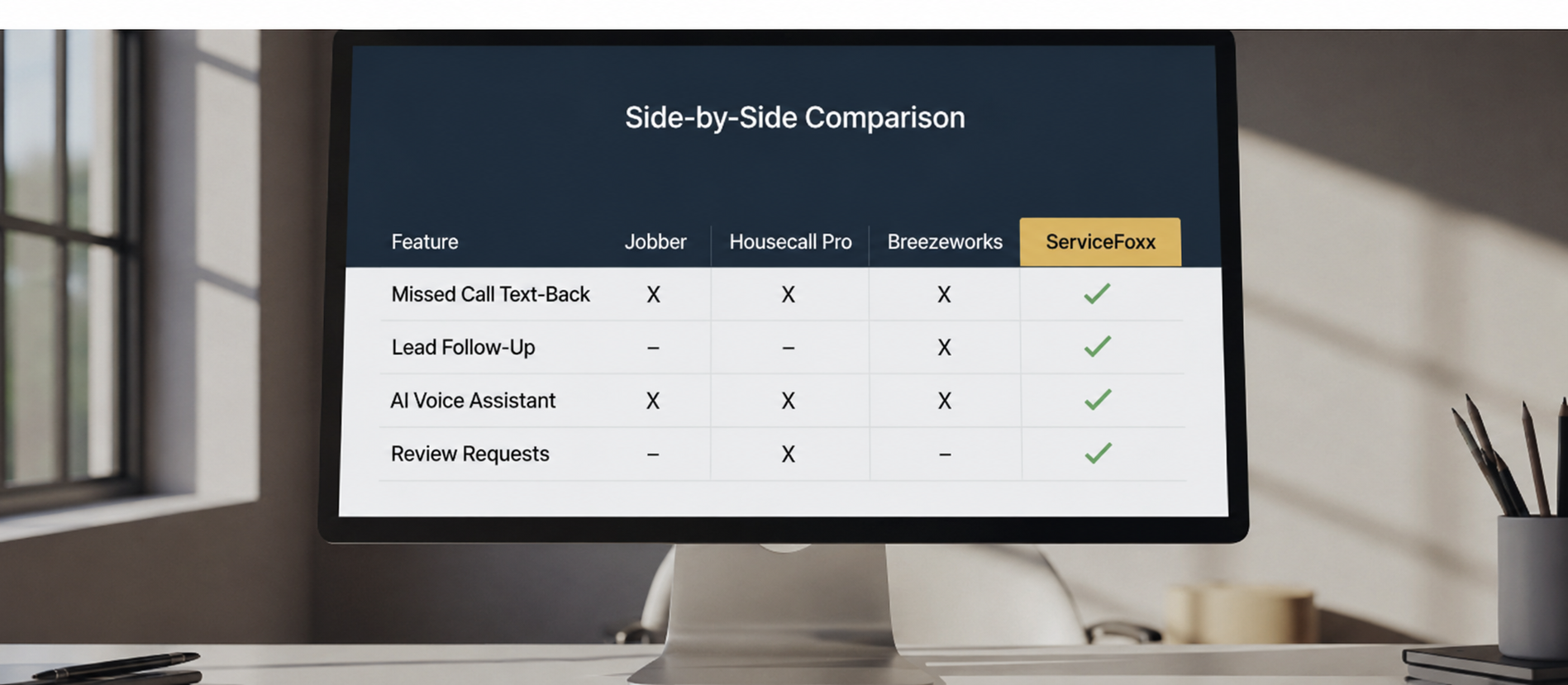
This sequence gives you that assistant for $450 a month.
How this connects to the rest of your business
Follow-up is one system. The bigger picture looks like this:
- A missed call during an inspection fires an instant text back to the homeowner
- Every signed job triggers an automatic review request when it closes
- Slow months automatically reactivate your database of past customers
Each one closes a specific revenue leak. Follow-up is just the biggest.
What this costs versus what it saves
ServiceFoxx is $450 a month, no setup fee. Setup includes the full estimate follow-up sequence written specifically for your trade, A2P carrier registration so your texts actually get delivered (most DIY setups skip this step and their texts get blocked), and personal walkthrough when it's live. Your website is live in about a month and your CRM is running by month two once the phone carriers approve texting.
Most of our roofing clients recover the monthly cost with one saved job in the first week.
What to do next
If you want to see the actual dollar amount you're losing right now, run your numbers through our revenue leak calculator. Takes 90 seconds. Shows you the annual number.
If you already know you need the system and want it running, get started here. Your website is live in about a month and your CRM is running by month two once the phone carriers approve texting, and you don't have to learn a thing.
If you want to see the follow-up sequences live before you buy, book a demo or watch the prerecorded walkthrough.
— Sami
About the Author
Sami Raby
Co-founder of Service Foxx and expert in contractor operations. Dedicated to helping home service businesses scale through high-ticket automation systems that actually work.
Master Your Trade
Continue Learning
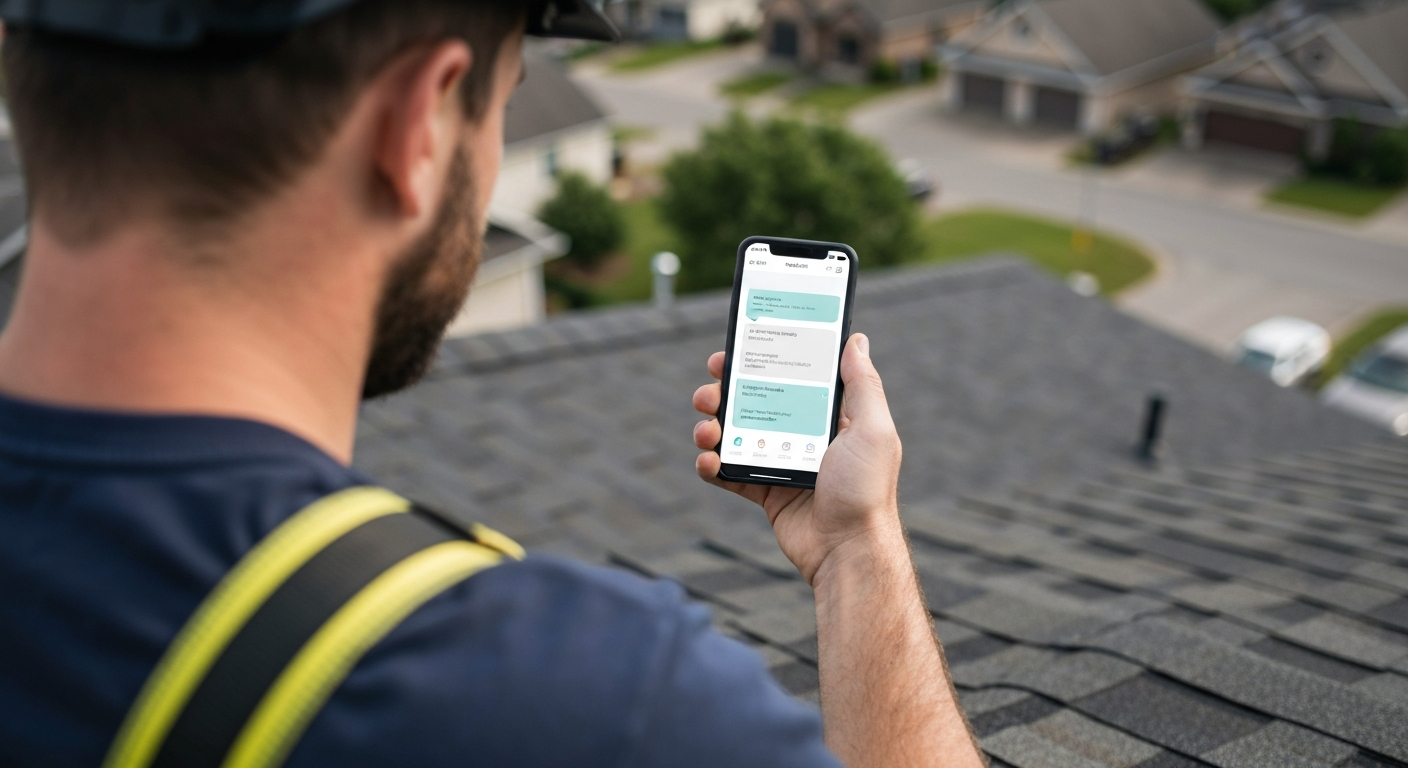
Roofing Contractor CRM: How Roofers Automate Lead Follow-Up, Estimates, and Reviews
Landscaping Business Software: How Lawn Care and Landscaping Companies Automate Follow-Up and Fill Their Schedule